Friends, let’s talk about China’s most legendary mountains!
Have you ever been somewhere that instantly made you exclaim “Wow!”? China’s “Three Sacred Mountains and Five Great Peaks” are exactly like that. They’re far more than just piles of rocks—they’re filled with history, breathtaking scenery, and that magical feeling of “I can’t believe I’m actually here.” Let me tell you all about them—I promise, they absolutely belong on your travel bucket list.
First, let’s start with the “Three Sacred Mountains.”
These three mountains are like the A-list celebrities of China’s famous peaks—each has its own unique style, but they’re all absolutely amazing.
1. Huangshan — “The Mountain That Stepped Out of a Painting”
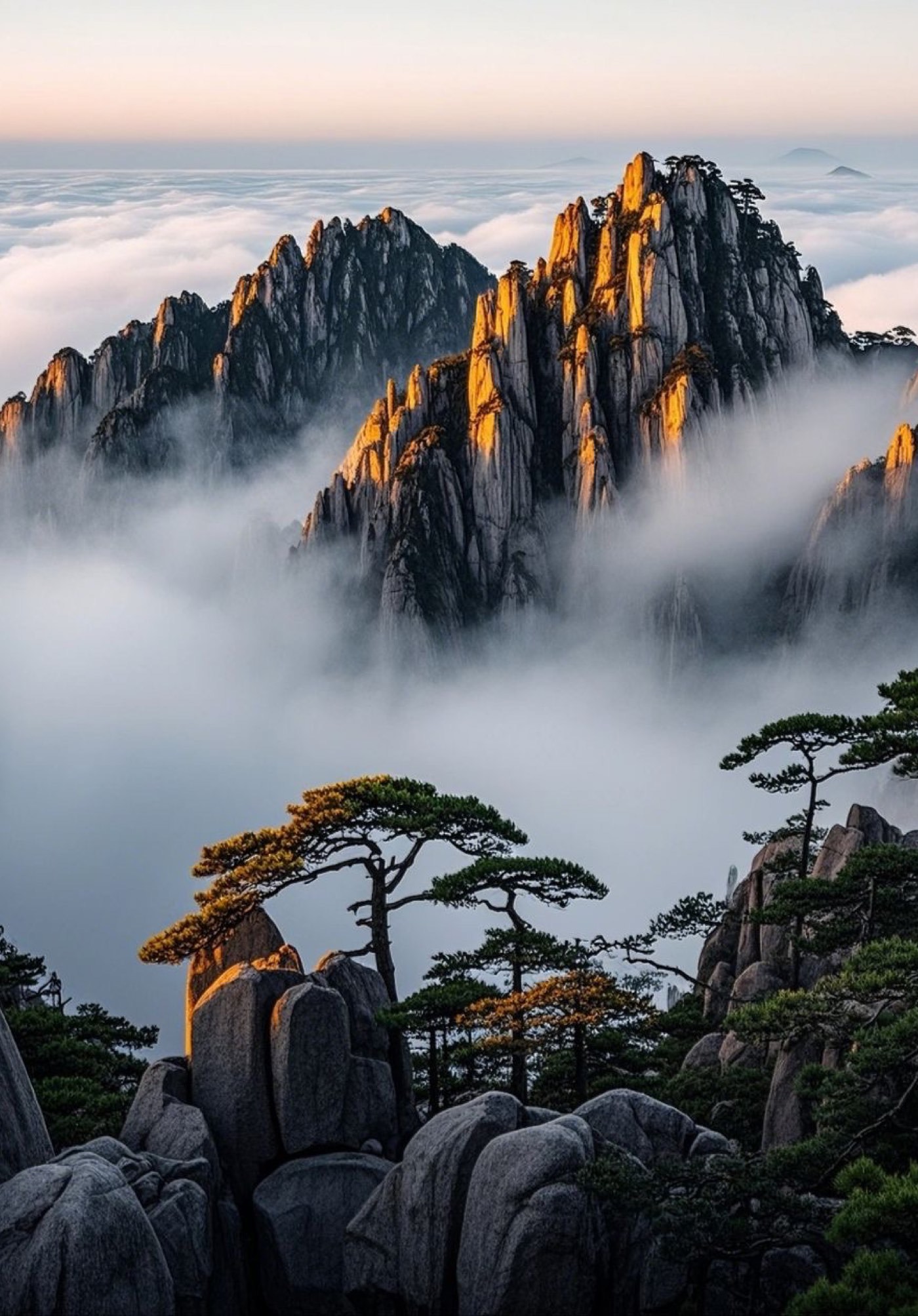
If you love cotton-candy-like clouds and strangely twisted pine trees, Huangshan is definitely for you! Located in Anhui Province, at sunrise the peaks emerge from the mist, making you feel as if you’ve stepped right into a traditional Chinese ink painting. Don’t miss the “Welcoming Guest Pine”—this tree has stood proudly for over 800 years and is practically Huangshan’s official mascot. Get up early to catch the sea of clouds; no exaggeration—you’ll snap at least 100 photos before 9 a.m.!
2. Lushan — “The Mysterious Mountain”
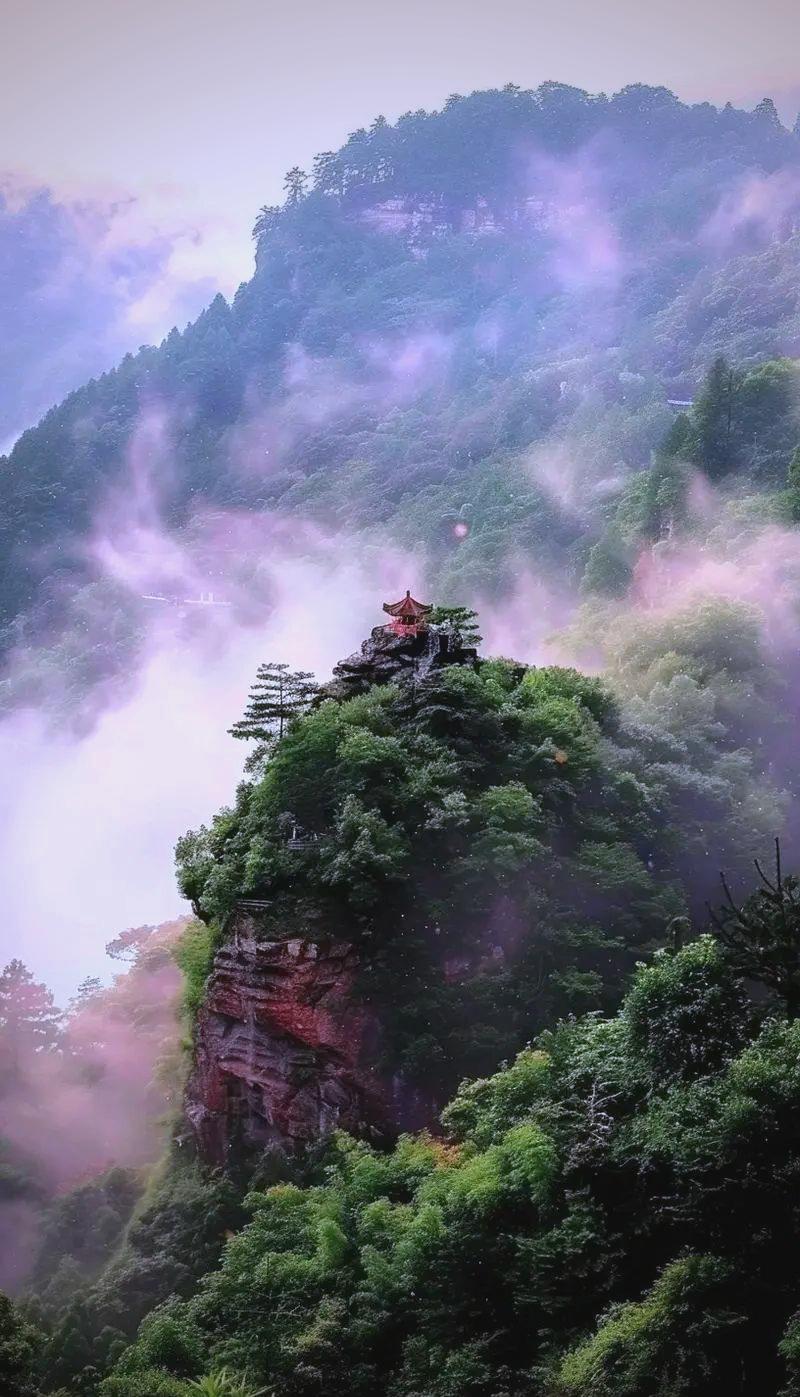
Ever wondered what it feels like to stand inside a cloud? Lushan in Jiangxi Province is also famous for its “sea of clouds,” but here the mist is even more ethereal and dreamlike. The mountain is dotted with waterfalls—like the Three叠Spring Falls (San Die Quan). Hike down to the base, and the splashing water will cool you off instantly on a hot summer day. Lushan also boasts fascinating history—ancient poets and emperors loved visiting here. Walking around, you’ll feel like you’ve wandered into a fairy tale.
3. Mount Emei — “The Buddhist Sanctuary with Monkeys”
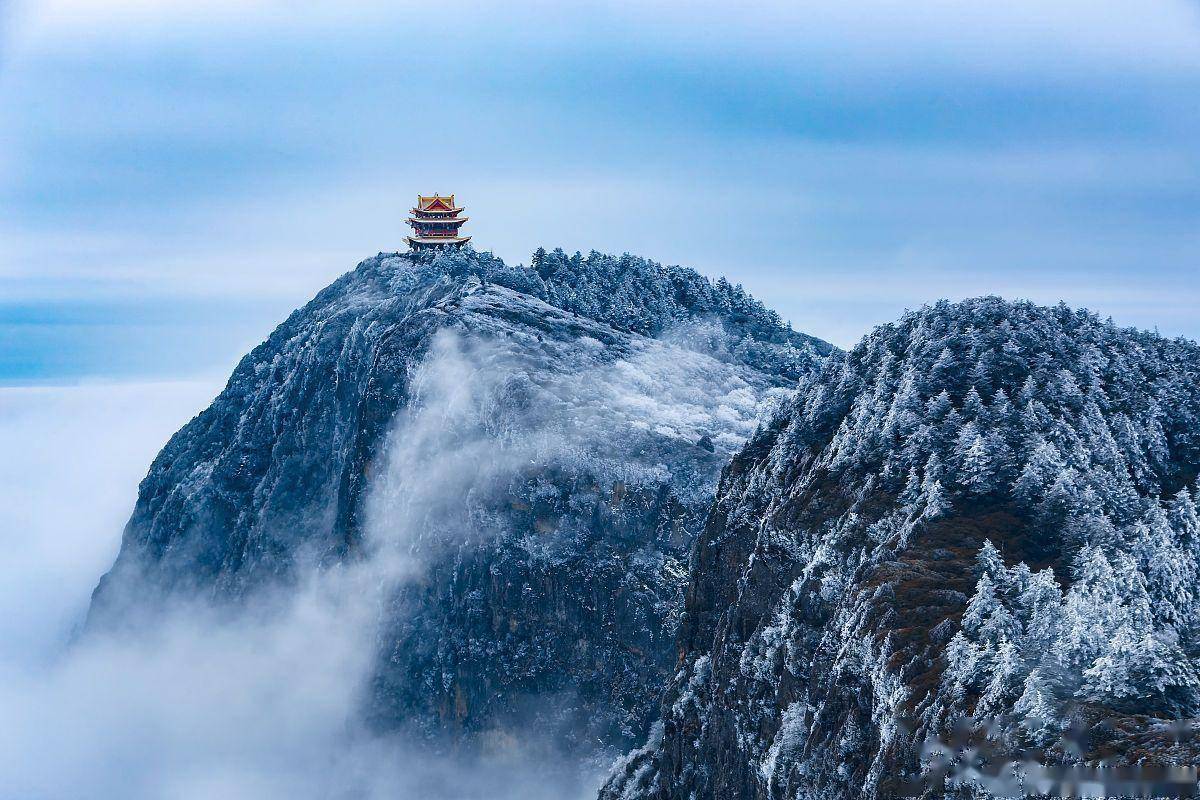
Mount Emei truly takes things to another level! Located in Sichuan Province, it’s one of China’s Four Sacred Buddhist Mountains. Here you’ll find ancient temples like the Golden Summit, where a giant Buddha statue gleams in the sunrise light. But the real highlight? The wild monkeys! They’re super friendly—sometimes a little too friendly—so keep an eye on your snacks! As you hike upward, you’ll be rewarded with 360-degree views of mountains and clouds from the summit. Pro tip: stay overnight at a mountain guesthouse—the sunrise here is absolutely spectacular.
Next up: the “Five Great Peaks”—China’s ultimate mountain royalty.
These five peaks are China’s most renowned mountains, each representing a cardinal direction (east, south, west, north, and center), and each with its own distinct personality.
1. Mount Tai — “The Leader of the Five Peaks” (East Peak)
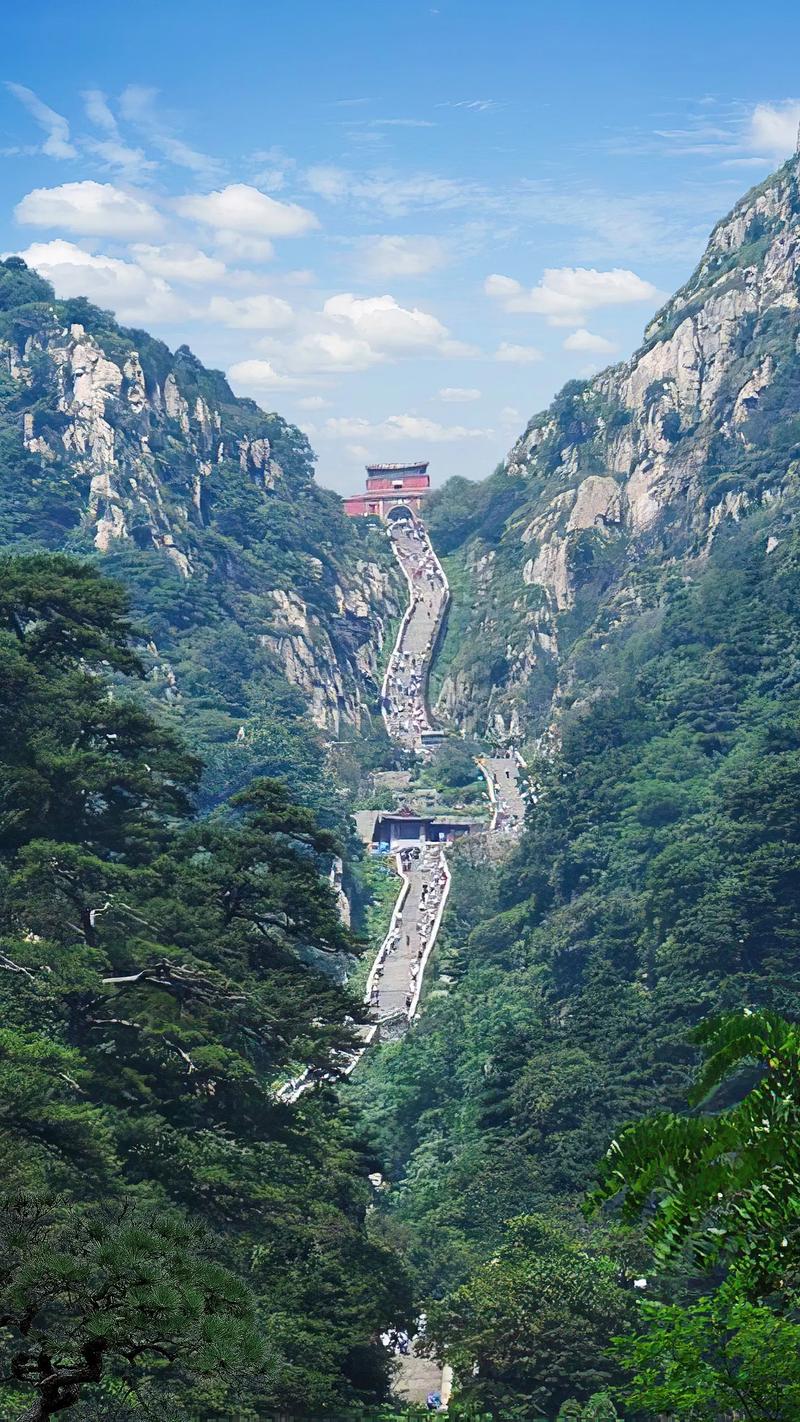
Located in Shandong Province, Mount Tai is the most iconic of the Five Great Peaks. For 3,000 years, it’s been revered as a sacred mountain, and emperors of old would climb it to pray for bountiful harvests. The hike is tough—over 6,000 steps—but if you’d rather not walk, you can take a cable car. The best part? Watching the sunrise from the summit, known locally as “Viewing the Sunrise over the Eastern Sea.” Along the way, you’ll pass countless ancient stone inscriptions—it’s like walking through an open-air museum of Chinese history.
2. Mount Heng (South Peak) — “The Lush Green Mountain”
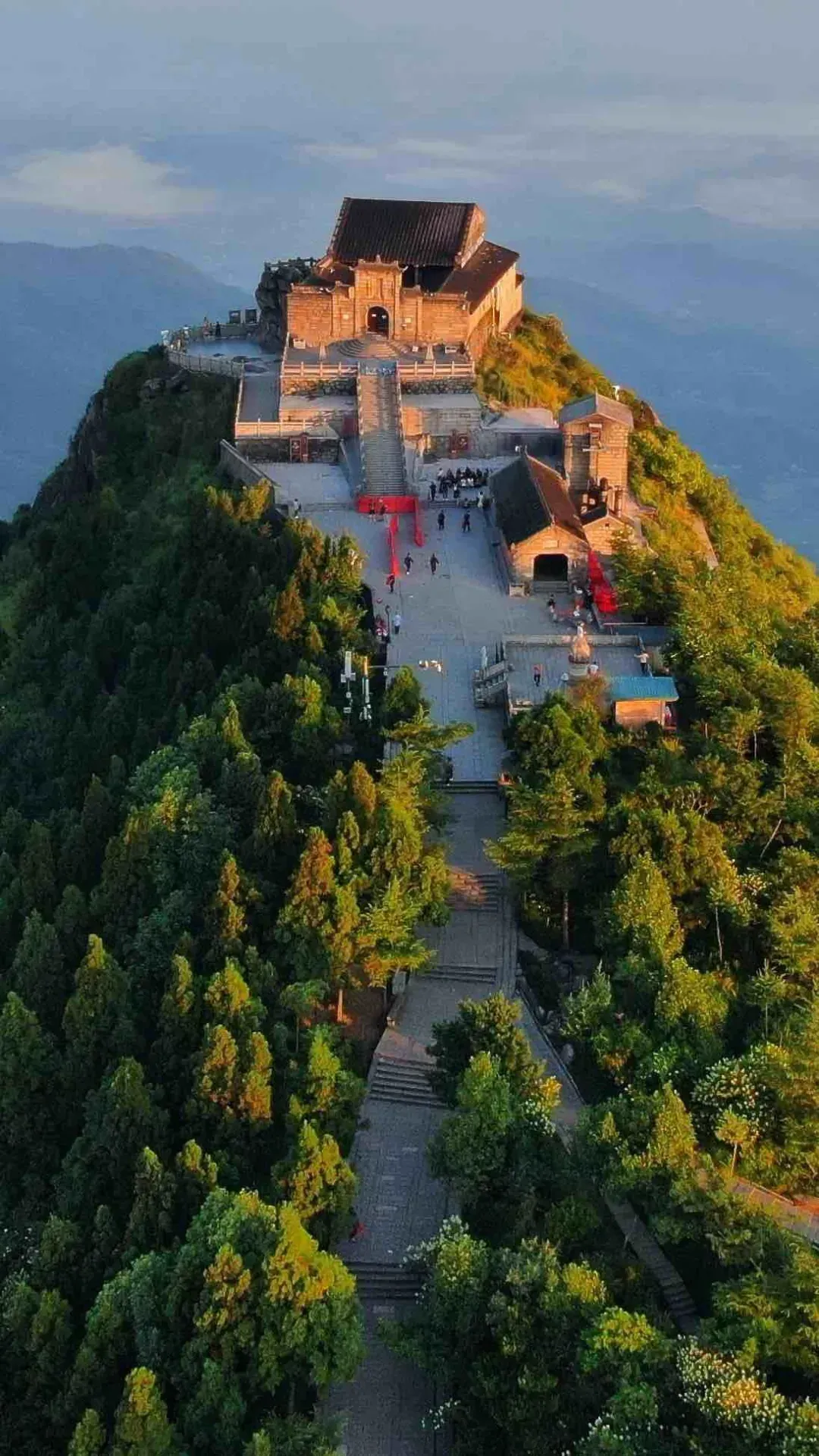
If you love lush greenery and ancient temples, then Mount Heng in Hunan Province is perfect for you. It’s the greenest of the Five Peaks, blanketed in pine trees, bamboo groves, and babbling streams. With over 200 temples, including the Nanyue Grand Temple—one of China’s largest Taoist temples—it’s a spiritual haven. Come in spring for hiking: flowers bloom everywhere, and the air is filled with their sweet fragrance. Compared to Mount Tai, it’s much more relaxed—ideal for travelers seeking a peaceful getaway.
3. Mount Hua — “The Adventurer’s Mountain” (West Peak)
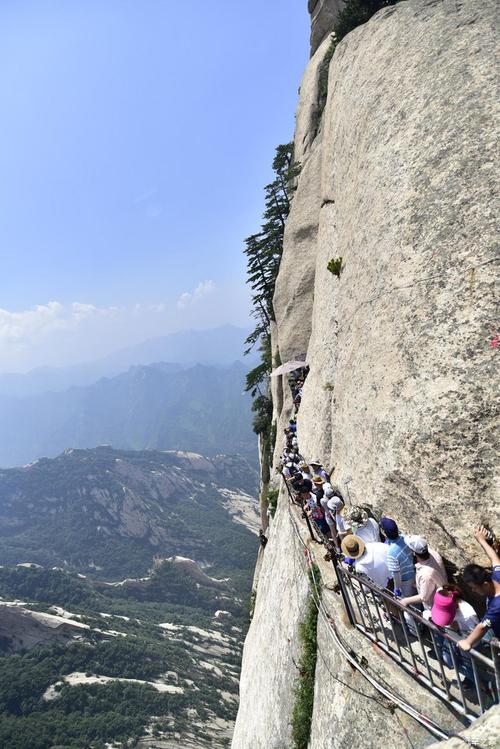
If you crave excitement, you must visit Mount Hua in Shaanxi Province! Famous for its narrow cliffside paths like the “Plank Walk in the Sky,” imagine stepping onto wooden planks bolted to a sheer cliff, holding only a chain for support. It’s nerve-wracking—but the views are absolutely worth it. Even if extreme hiking isn’t your thing, the cable car ride is thrilling too—it climbs 2,000 meters, making you feel like you’re flying! Bonus: Mount Hua is close to Xi’an (home of the Terracotta Warriors), so you can easily combine both in one trip!
4. Mount Heng (North Peak) — “The Quiet and Peaceful Mountain”
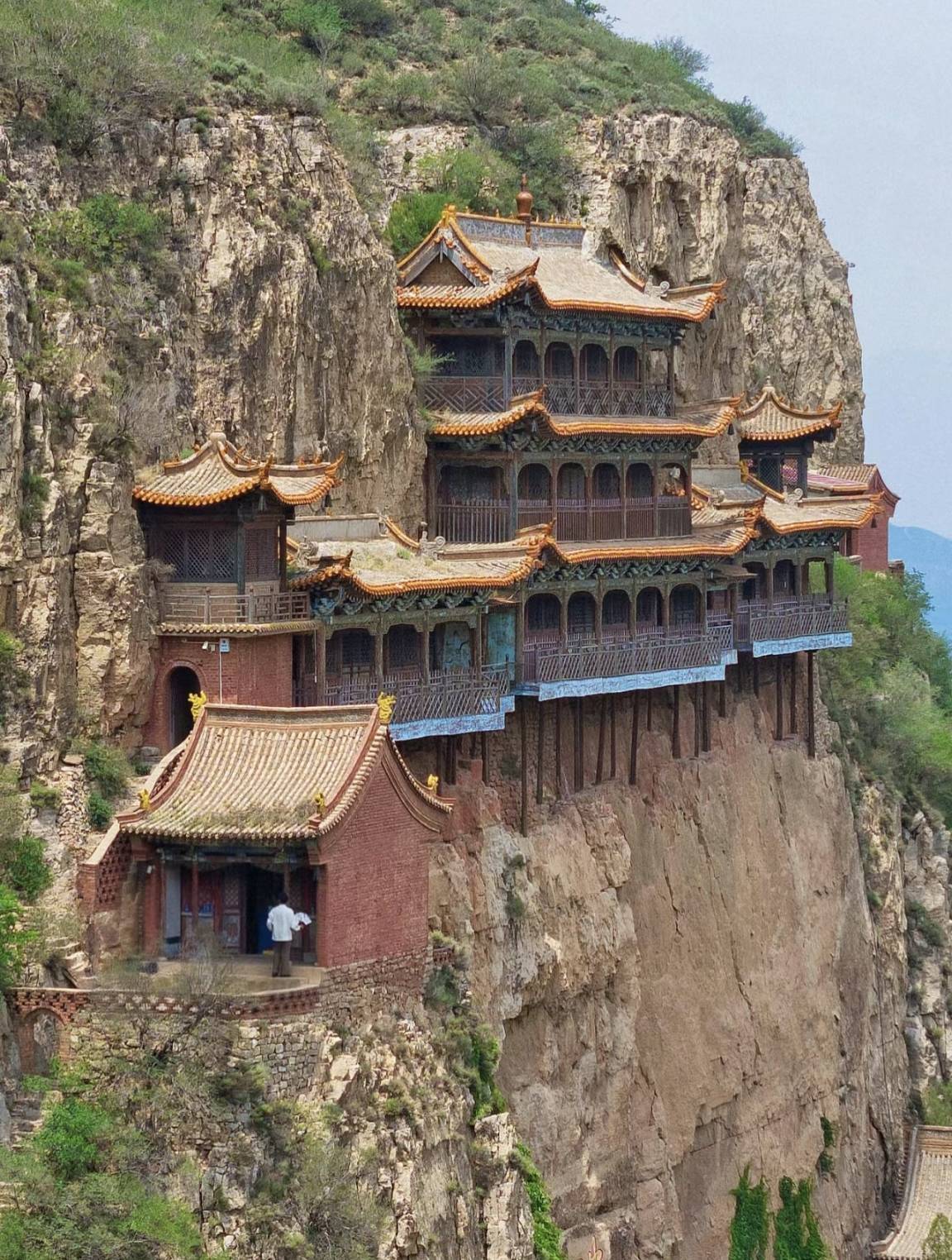
Located in Shanxi Province, the North Peak—Mount Heng—is the most “low-key” of the Five Great Peaks, but don’t underestimate it. It features ancient temples like the Hanging Temple, which is literally built into a cliff face! There are also gentler trails for a more relaxed hike. The Hanging Temple is the star attraction—1,500 years old and appearing to float mid-air. Visit in autumn when the leaves turn red and gold—it’s incredibly serene, perfect for escaping the crowds.
5. Mount Song — “The Martial Arts Mountain” (Central Peak)
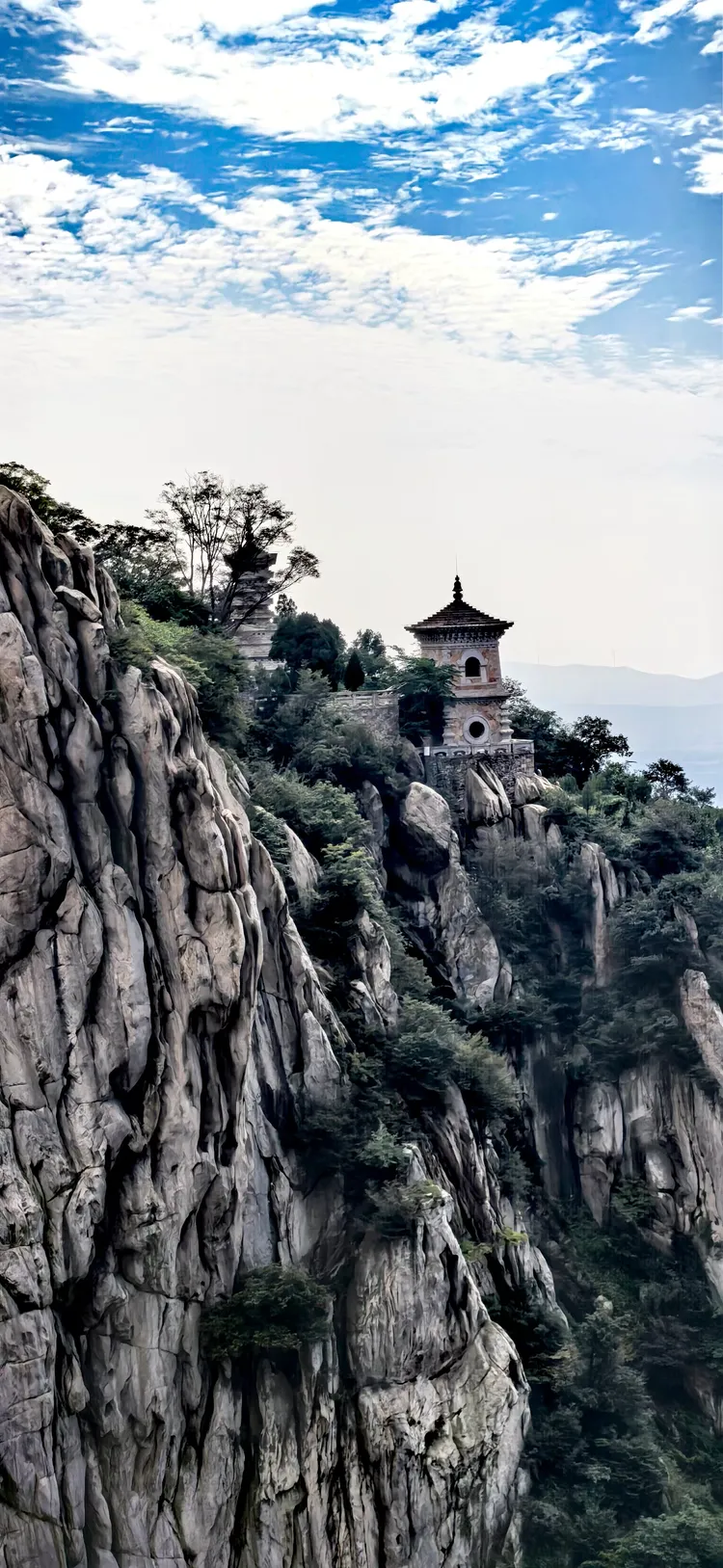
Mount Song in Henan Province is the birthplace of Chinese martial arts! It’s home to the Shaolin Temple—the world’s most famous martial arts monastery. In the mornings, you can watch monks practicing kung fu—it’s like watching a real-life action movie. The mountain itself has striking rock formations and dense forests, but the Shaolin Temple is the main draw. Even if martial arts aren’t your thing, the temple’s history is captivating—it was founded over 1,500 years ago and has witnessed countless tales of emperors and warriors.
Final Thoughts
These mountains aren’t just for hiking—standing before them, you’ll feel tiny yet deeply connected to their ancient grandeur. Whether you’re chasing sunrises, playing with monkeys, or simply soaking in the scenery, China’s Three Sacred Mountains and Five Great Peaks have something unforgettable for everyone. So put down your phone, grab your backpack, book your tickets, and get ready to say “Oh my goodness!” again and again. Trust me—you won’t regret it!